
Views: 4 Author: Site Editor Publish Time: 2024-07-10 Origin: Site
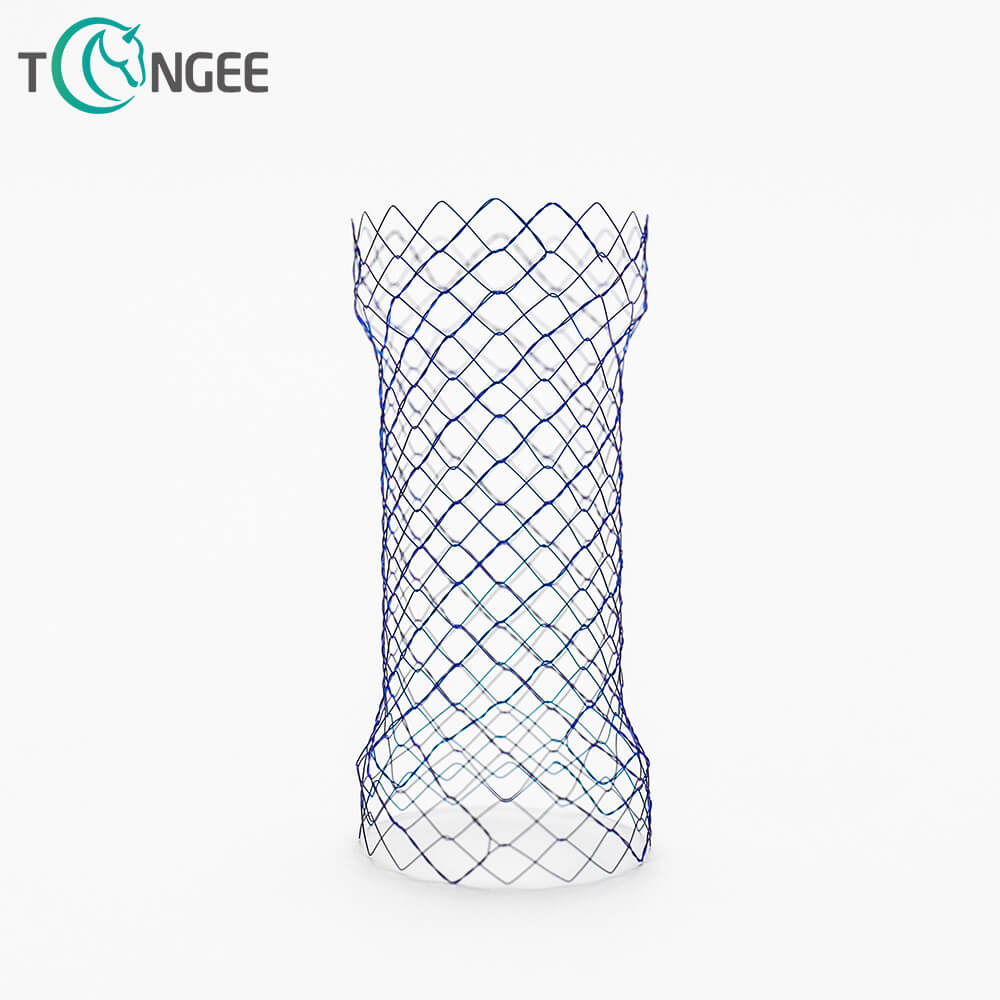
A ureteral stent is a medical device used to relieve obstructions or blockages in the ureter, the tube that carries urine from the kidney to the bladder. The indications for placing a ureteral stent include a variety of conditions that can impair the normal flow of urine, leading to pain, infection, or kidney damage. Here are the common indications for a ureteral stent:
### Indications for a Ureteral Stent:
1. **Ureteral Obstruction:**
- **Kidney Stones:** When stones obstruct the ureter and cause significant pain, hydronephrosis (swelling of the kidney due to urine buildup), or impaired kidney function.
- **Tumors:** Presence of tumors in or near the ureter that cause narrowing or blockage. This can include cancers of the bladder, kidney, or ureter.
2. **Post-Surgical or Post-Procedure Care:**
- **Surgical Interventions:** After certain urologic surgeries, such as ureteral reimplantation or kidney surgery, to ensure proper urine drainage and prevent complications.
- **Endoscopic Procedures:** Following procedures like laser lithotripsy or ureteroscopy to remove stones or treat strictures.
3. **Ureteral Strictures:**
- **Scar Tissue:** Formation of scar tissue in the ureter from previous surgeries, infections, or inflammation, leading to narrowing and obstruction.
- **Inflammatory Conditions:** Conditions like chronic infections or inflammatory diseases that cause scarring and narrowing of the ureter.
4. **Hydronephrosis:**
- **Urine Backup:** Severe cases where urine backs up into the kidney due to an obstruction, causing swelling and potentially damaging kidney function.
5. **Bladder Outlet Obstruction:**
- **Prostate Enlargement:** In men with benign prostatic hyperplasia (BPH) or other causes of bladder outlet obstruction that affect urine flow into the ureters.
- **Bladder Cancer:** Tumors affecting the bladder or ureteral junction that obstruct urine flow.
6. **Ureteral Injury:**
- **Trauma:** Injuries to the ureter from accidents or surgical procedures that require temporary support for proper healing and urine drainage.
7. **Prophylactic Use:**
- **Preventive Measures:** In some cases, a stent may be used to prevent complications during high-risk procedures or to support areas prone to obstruction.
### Procedure for Placement:
1. **Diagnosis and Planning:**
- **Imaging:** Diagnostic imaging such as ultrasound, CT scan, or X-rays is performed to assess the obstruction and plan the stent placement.
- **Pre-Procedure Assessment:** Includes a physical examination and review of the patient’s medical history.
2. **Anesthesia:**
- The patient is usually given local or general anesthesia depending on the complexity of the procedure and the patient’s condition.
3. **Placement:**
- **Endoscopic Guidance:** The stent is typically placed using cystoscopy (a procedure using a flexible tube with a camera) or fluoroscopy (real-time X-ray) for visualization.
- **Insertion:** A guide wire is passed through the ureter to the kidney, and the stent is then threaded over the guide wire and positioned in place.
4. **Post-Procedure Care:**
- The patient is monitored for immediate complications, such as infection or discomfort.
- Follow-up imaging or evaluations may be necessary to ensure the stent remains properly positioned and the obstruction is relieved.
### Benefits:
- **Relief of Obstruction:** Ensures proper urine flow from the kidney to the bladder, preventing kidney damage and alleviating symptoms like pain and swelling.
- **Prevention of Hydronephrosis:** Helps prevent or alleviate kidney swelling due to urine backup.
- **Minimally Invasive:** Provides a less invasive alternative to major surgery for managing ureteral obstructions.
### Risks and Considerations:
- **Discomfort:** The stent may cause discomfort or a feeling of urgency during urination.
- **Infection:** There is a risk of urinary tract infections or complications related to the stent.
- **Stent Migration or Displacement:** The stent may move from its original position, which may require adjustment or replacement.
- **Injury:** Risk of injury to the ureter or bladder during placement or removal of the stent.
### Summary
A ureteral stent is used to manage various conditions causing ureteral obstruction, including kidney stones, tumors, strictures, and postoperative complications. It ensures proper urine flow and prevents kidney damage, providing relief from symptoms and improving patient outcomes. Proper placement and monitoring are essential to avoid complications and ensure the effectiveness of the stent.

