
Views: 0 Author: Site Editor Publish Time: 2024-12-02 Origin: Site
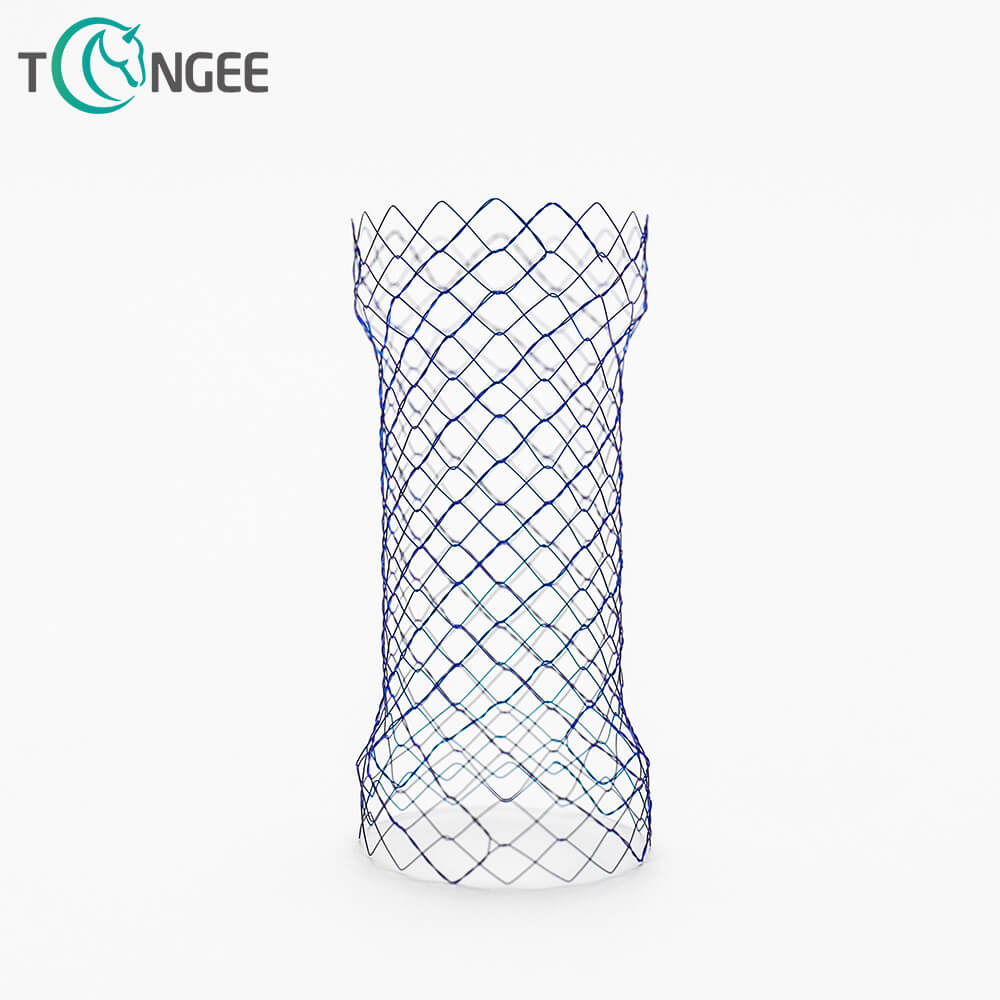
When choosing a medical stent manufacturer, it's essential to prioritize factors that ensure the safety, quality, and reliability of the products. Below are key aspects to consider:
ISO Certifications: Look for manufacturers that hold ISO 13485 certification, which is the international standard for medical device quality management systems. This ensures that the manufacturer adheres to rigorous quality control procedures.
FDA Approval (or CE Marking): For stents intended for use in the U.S., ensure the manufacturer has FDA approval. For European markets, look for CE marking, which indicates compliance with EU health, safety, and environmental requirements.
Good Manufacturing Practices (GMP): Ensure the manufacturer follows GMP standards to maintain the highest level of product quality.
Specialization in Stents: Choose a manufacturer with expertise in producing the type of stent you need (e.g., vascular stents, cardiac stents, biliary stents, or urological stents). A manufacturer specializing in medical stents will have a better understanding of the specific requirements and challenges associated with stent production.
Customizability: Check if the manufacturer offers custom stent design options, as different patients or medical conditions may require personalized stent sizes, materials, or coatings.
Material Quality: Medical stents are typically made from biocompatible materials like stainless steel, nitinol, titanium, or polymer. Ensure the manufacturer uses high-quality, medically approved materials.
Advanced Technology: Manufacturers that incorporate advanced technology, such as drug-eluting stents (DES) or biodegradable stents, are preferable for cutting-edge treatments.
Coatings and Surface Treatment: Check if the manufacturer offers stents with specialized coatings, such as anti-thrombogenic coatings, or coatings that promote endothelialization, which can enhance long-term patient outcomes.
Research and Development: A manufacturer with a dedicated R&D team is more likely to produce innovative, high-quality products. This is especially important for stents that are designed to meet specific clinical needs or improve patient outcomes.
Advanced Manufacturing Techniques: Look for manufacturers who utilize modern technologies like laser cutting, 3D printing, and precision molding to create stents that are precise and durable.
Testing and Validation: Ensure the manufacturer conducts comprehensive testing, such as biocompatibility testing, fatigue testing, and clinical trials, to ensure the stents meet the required standards for safety and efficacy.
Regulatory Understanding: A reputable manufacturer should have a deep understanding of the regulatory requirements for the markets they serve (e.g., FDA regulations for the U.S. or EU Medical Device Regulations for Europe). They should be capable of navigating the approval process for medical devices.
Clinical Evidence: A good manufacturer should be able to provide clinical data supporting the safety and effectiveness of their stents. This can include data from preclinical and clinical trials, as well as real-world performance.
Track Record: Look for manufacturers with a proven track record of producing high-quality stents and who have established themselves as trusted partners in the medical device industry.
Customer Testimonials: Reviews, feedback, and case studies from healthcare providers or hospitals can give you insight into the manufacturer’s reputation for product quality, customer service, and delivery reliability.
Support Services: Ensure that the manufacturer offers robust customer support, including product training, technical support, and post-sale service.
Capacity to Meet Demand: Depending on your needs, check if the manufacturer can meet your required volume, whether for large-scale hospital use or smaller, specialized applications.
Lead Times: Consider the lead times for production and delivery, especially if you're working in a time-sensitive healthcare environment. Reliable manufacturers should provide clear timelines for order fulfillment.
Competitive Pricing: While quality is paramount, the cost of the stents should also be considered, particularly if you are purchasing in bulk. Be sure to compare prices between different manufacturers to ensure you're getting value for money.
Cost Transparency: A good manufacturer should provide clear and transparent pricing, including details on shipping, taxes, and potential additional costs.
Tracking and Monitoring: Choose a manufacturer that actively monitors the performance of their stents after they’ve been placed in patients. Post-market surveillance ensures any issues are quickly identified and addressed.
Warranty and Return Policies: Ensure the manufacturer offers a solid warranty and clear return policies in case of defective products.
Ethical Manufacturing: Ensure that the manufacturer follows ethical practices, including fair labor policies, environmental sustainability, and transparency in sourcing materials.
Corporate Social Responsibility (CSR): Manufacturers who adhere to CSR principles are likely to focus on long-term patient safety and well-being, rather than just short-term profits.
In Summary:Choosing a medical stent manufacturer involves assessing a combination of quality standards, technical expertise, regulatory compliance, and reliability. Prioritize manufacturers with proven experience, innovation, and a commitment to patient safety and product performance. Your decision should ultimately help ensure the success of medical treatments and the well-being of patients.
Let me know if you need help with specific manufacturers or more detailed advice!

