
Views: 0 Author: Site Editor Publish Time: 2024-09-18 Origin: Site
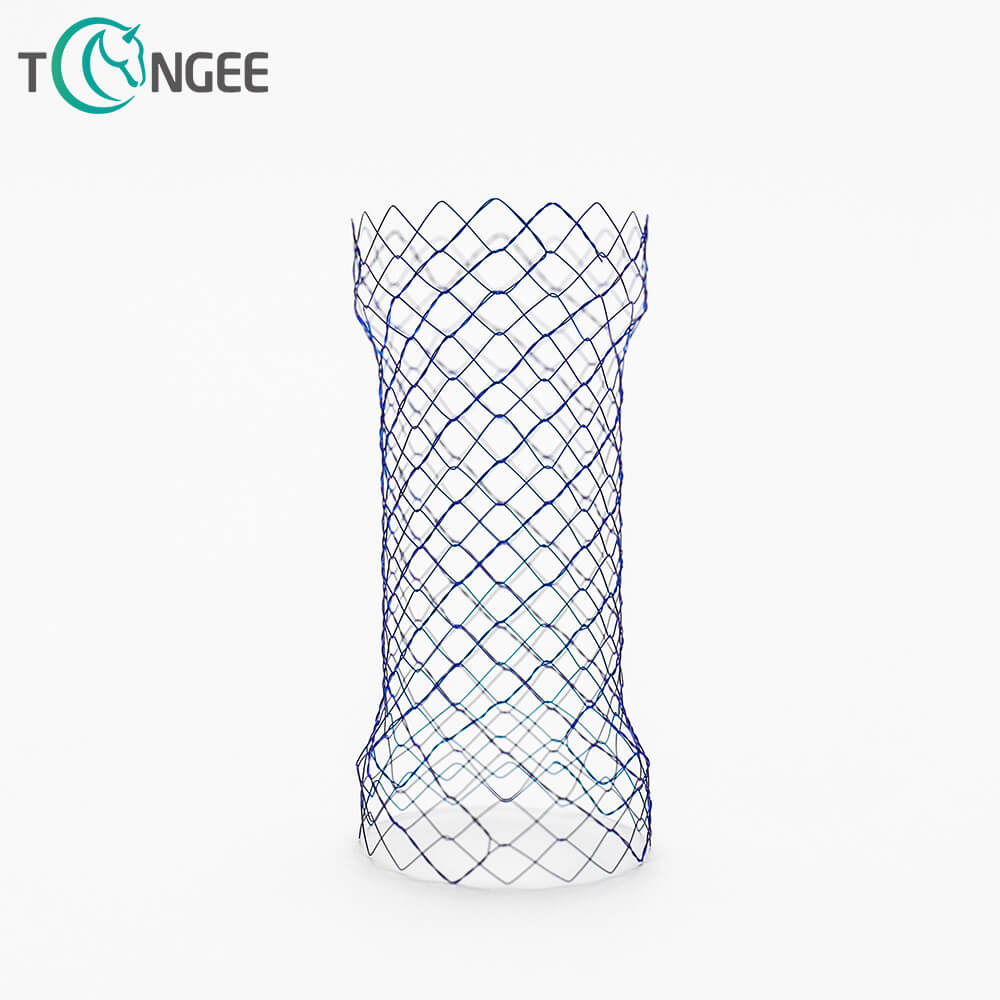
An intestinal stent is a medical device designed to keep a section of the intestine open and unobstructed. It is typically a small, tube-like structure made from materials such as metal or plastic that is inserted into the intestine to support its walls and prevent collapse or blockage.
**Uses of an Intestinal Stent:**
1. **Obstruction Relief:** It is often used to treat intestinal obstructions caused by tumors, strictures (narrowing of the intestine), or inflammatory conditions. By keeping the affected area open, the stent helps restore normal bowel function and alleviates symptoms like pain, nausea, and vomiting.
2. **Palliative Care:** In cases of advanced cancer, an intestinal stent may be used as a palliative measure to improve the patient's quality of life by relieving obstruction symptoms without aiming for a cure.
3. **Post-Surgical Complications:** It can be employed to manage complications arising from previous surgeries, such as anastomotic strictures (narrowing at the site where two segments of the intestine have been joined).
4. **Inflammatory Conditions:** For conditions like Crohn’s disease, which can cause segments of the intestine to become narrowed or blocked, stents can provide temporary relief while other treatments are pursued.
**Procedure:**
The placement of an intestinal stent is usually performed endoscopically, where a flexible tube with a camera (endoscope) is inserted through the mouth or rectum, depending on the location of the blockage. The stent is then placed and expanded to hold the intestine open.
Overall, intestinal stents are a useful tool in managing various intestinal conditions and improving patient outcomes, particularly when surgery is not an option or when a less invasive approach is preferred.

