
Views: 1 Author: Site Editor Publish Time: 2025-02-11 Origin: Site
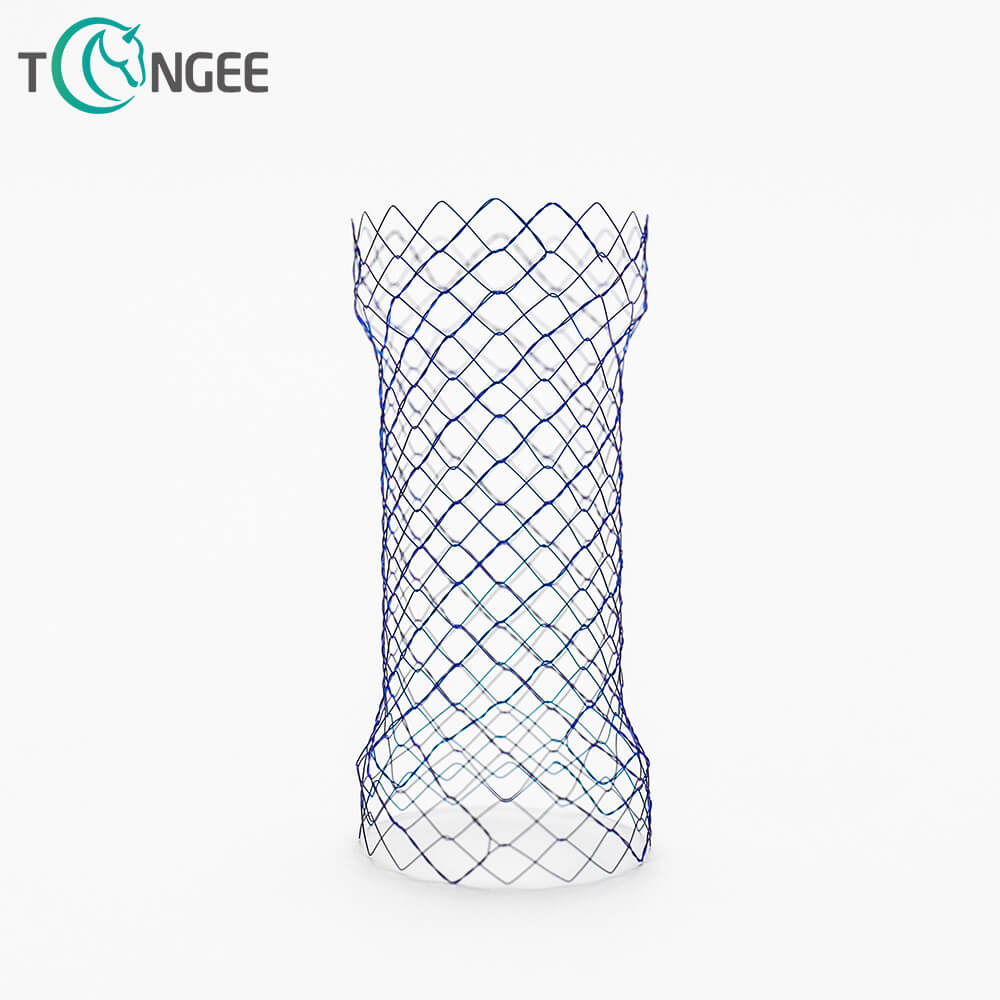
An airway stent for the trachea is a medical device designed to keep the airway open in patients who have narrowed or blocked airways, often due to diseases such as cancer, chronic obstructive pulmonary disease (COPD), or after surgery. The stent is typically made from materials like silicone, metal, or a combination of both.
Placement: A tracheal stent is inserted into the trachea, usually under local or general anesthesia. The procedure is typically done with a flexible bronchoscope, a tube with a camera and light that helps the doctor see the airway and place the stent accurately.
Function: Once inserted, the stent acts as a scaffold that keeps the airway open, allowing air to flow freely into the lungs. This can help relieve symptoms like shortness of breath, wheezing, and difficulty breathing, which are caused by obstructions or narrowing in the trachea.
Types of Stents:
Self-expanding stents: These stents expand on their own once they are placed, conforming to the shape of the airway.
Non-self-expanding stents: These need to be expanded manually or with the help of a balloon after placement.
Obstructions: When a tumor or growth blocks the airway.
Tracheal collapse: In cases where the trachea weakens or collapses, leading to breathing difficulties.
Post-surgical recovery: After surgeries that affect the trachea or surrounding structures.
While airway stents can significantly improve breathing, they do carry some risks like:
Infection
Mucus buildup or blockage
Displacement of the stent
Difficulty removing or replacing the stent
It’s a helpful intervention for managing complex airway conditions but typically requires careful monitoring.
An airway stent for the trachea is a medical device designed to keep the airway open in patients who have narrowed or blocked airways, often due to diseases such as cancer, chronic obstructive pulmonary disease (COPD), or after surgery. The stent is typically made from materials like silicone, metal, or a combination of both. ### How it works: - **Placement**: A tracheal stent is inserted into the trachea, usually under local or general anesthesia. The procedure is typically done with a flexible bronchoscope, a tube with a camera and light that helps the doctor see the airway and place the stent accurately. - **Function**: Once inserted, the stent acts as a scaffold that keeps the airway open, allowing air to flow freely into the lungs. This can help relieve symptoms like shortness of breath, wheezing, and difficulty breathing, which are caused by obstructions or narrowing in the trachea. - **Types of Stents**: 1. **Self-expanding stents**: These stents expand on their own once they are placed, conforming to the shape of the airway. 2. **Non-self-expanding stents**: These need to be expanded manually or with the help of a balloon after placement. ### When is it used? - **Obstructions**: When a tumor or growth blocks the airway. - **Tracheal collapse**: In cases where the trachea weakens or collapses, leading to breathing difficulties. - **Post-surgical recovery**: After surgeries that affect the trachea or surrounding structures. ### Risks: While airway stents can significantly improve breathing, they do carry some risks like: - Infection - Mucus buildup or blockage - Displacement of the stent - Difficulty removing or replacing the stent It’s a helpful intervention for managing complex airway conditions but typically requires careful monitoring.

