
Views: 0 Author: Site Editor Publish Time: 2025-05-12 Origin: Site
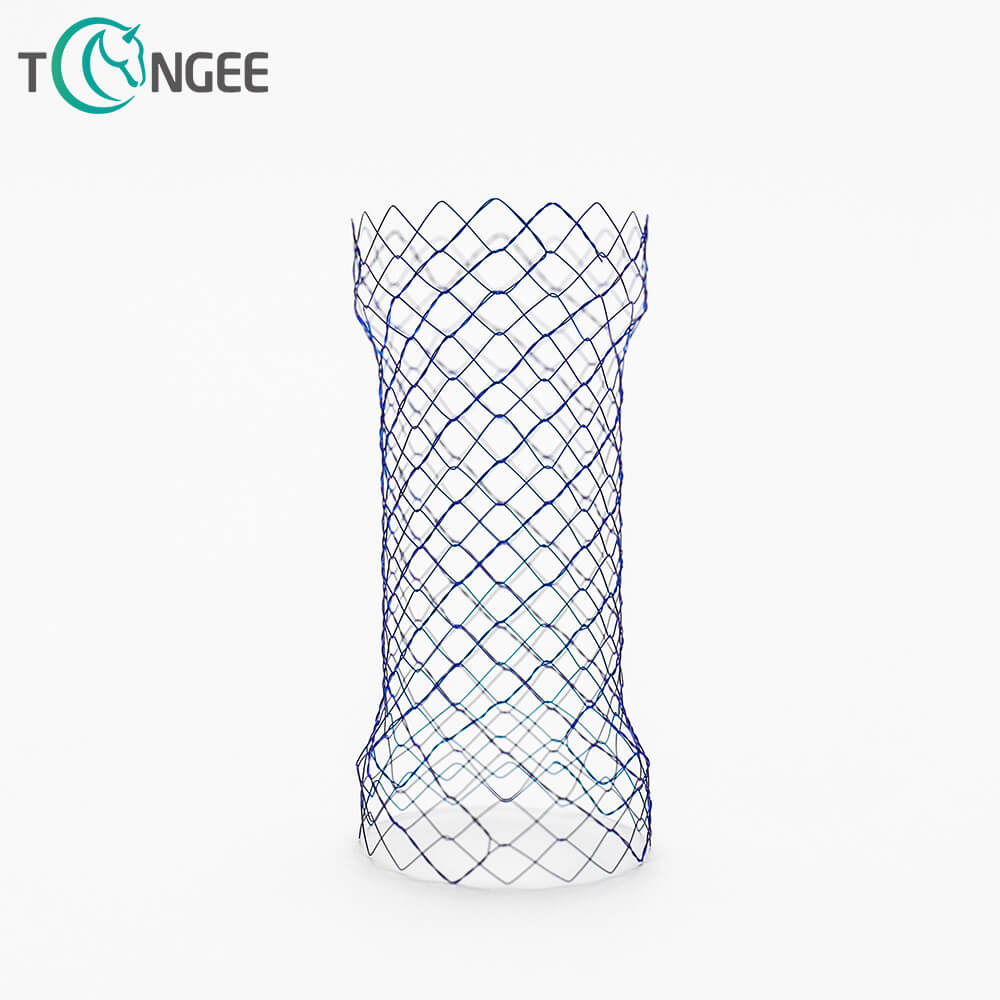
An ERCP intestinal stent is primarily used to relieve obstructions in the intestine (particularly in the duodenum or small intestine) caused by various conditions, including benign and malignant diseases. The stent is inserted through Endoscopic Retrograde Cholangiopancreatography (ERCP), a procedure that involves using an endoscope to access the digestive tract and place the stent.
Malignant Intestinal Obstructions:
Cancer-related obstructions in the small intestine or duodenum due to pancreatic cancer, colon cancer, or other gastrointestinal malignancies are common indications for placing a stent.
The stent serves as a palliative measure to relieve symptoms (e.g., nausea, vomiting, and pain) in patients who may not be candidates for surgery due to the advanced stage of cancer.
It helps to maintain intestinal patency (keeping the intestine open) for as long as possible, improving quality of life for the patient.
Benign Intestinal Strictures:
Inflammatory conditions such as Crohn's disease, radiation-induced strictures, or post-surgical adhesions can lead to narrowing or strictures in the intestine.
In these cases, an intestinal stent can help to expand the narrowed area, allowing food and fluids to pass through more easily and alleviating symptoms like abdominal pain, bloating, and obstruction.
ERCP stenting is used when other less invasive treatments, such as balloon dilation, are ineffective.
Biliary or Pancreatic Duct Obstructions:
Although primarily used for the biliary system, ERCP stents are sometimes used when pancreatic duct obstructions, often due to pancreatic cancer or chronic pancreatitis, affect the intestinal passage. Stents can help restore the normal flow of bile or pancreatic juices into the intestine, thereby preventing further damage to the digestive system.
Symptomatic Management of Intestinal Obstruction:
In certain non-cancerous conditions causing intestinal obstructions (like adhesions or inflammatory bowel disease), an intestinal stent can be used to relieve the blockage temporarily, especially when surgery is not an immediate option.
The stent acts as a bypass, preventing complete blockage and allowing better digestion and absorption.
The ERCP procedure involves inserting a flexible tube (endoscope) through the mouth into the intestine. Once the narrowing or obstruction is located, a self-expanding metal stent (SEMS) or sometimes a plastic stent is deployed across the stricture to keep the area open.
The self-expanding stent gradually expands to the size of the obstruction, maintaining the passage for food, fluids, and digestive contents to move through the intestine.
Non-invasive: ERCP stenting is less invasive than surgical approaches.
Palliative care: Especially in cancer patients, stents help to alleviate symptoms and improve the patient's quality of life.
Temporary solution: In certain cases, stents offer a temporary solution until the underlying condition can be treated more definitively, either through surgery or other interventions.
Would you like to know more about the procedure or specific types of stents used in ERCP?

