
Views: 4 Author: Site Editor Publish Time: 2024-12-16 Origin: Site
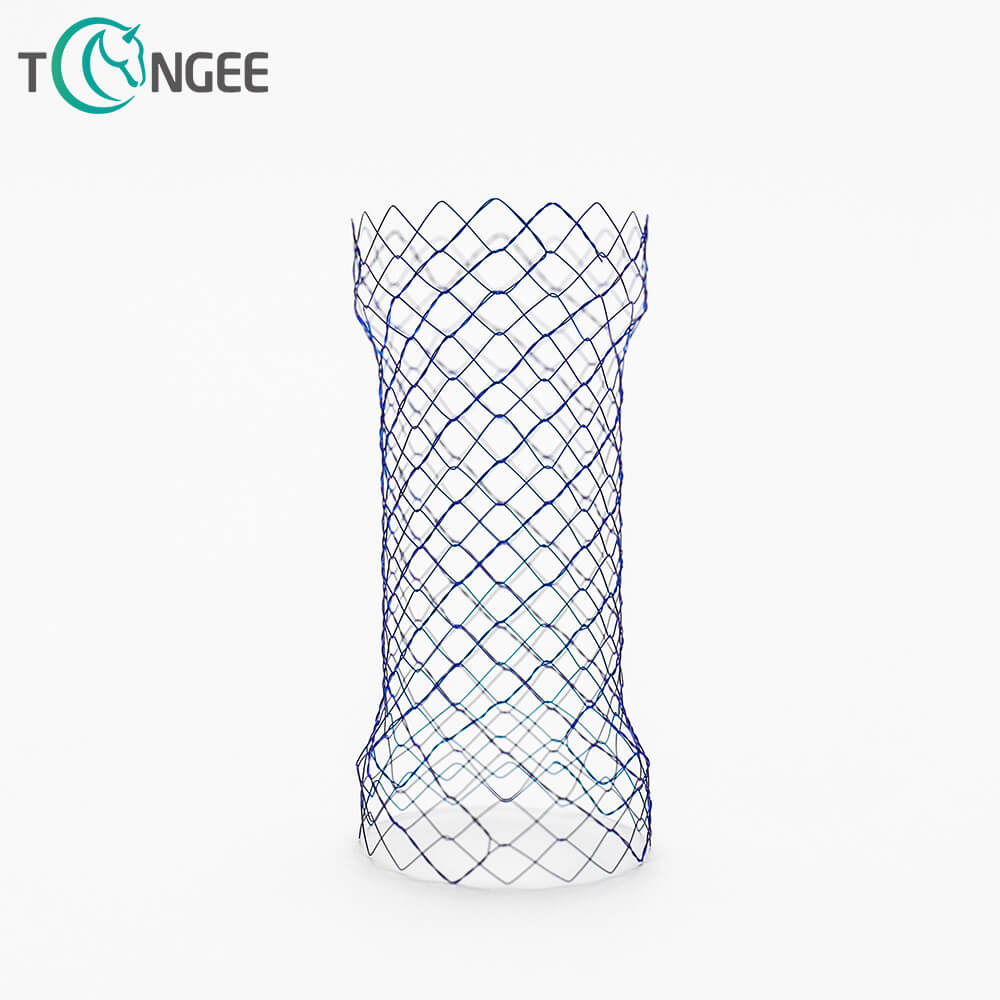
A surgical stent is a medical device used to provide support, maintain patency (openness), or guide healing in a specific anatomical structure. Stents can be made of materials like metal, plastic, or biodegradable substances, and they come in various designs depending on their application.
Surgical stents are typically used in both temporary and permanent contexts, depending on the condition being treated. They are employed in different medical fields, including cardiology, gastroenterology, urology, and orthopedics.
Surgical stents are used in various scenarios where support or maintaining an open pathway is necessary:
To open blocked arteries during procedures like angioplasty, ensuring blood flow to the heart or other organs.
Used in conditions like coronary artery disease (CAD).
To manage esophageal strictures or blockages, often in patients with cancer or severe acid reflux damage.
Biliary stents are used to relieve blockages in bile ducts caused by stones, tumors, or inflammation.
Ureteral stents are used to relieve obstructions in the urinary tract, such as kidney stones or tumors.
Ensures urine flow from the kidneys to the bladder.
Tracheal or bronchial stents are placed to maintain airway patency in cases of tumors, stenosis, or collapse.
Stents may be used during bone surgery to ensure alignment or provide a scaffold for tissue regeneration.
Stents are used to guide the placement of dental implants or maintain space during oral reconstructive surgery.
Intestinal stents help manage blockages caused by cancer or other conditions.
Vascular graft stents are used in managing aneurysms or peripheral artery disease.
Temporary vs. Permanent: Some stents are designed to be removed after a certain period, while others remain in place permanently.
Biocompatibility: The materials used for stents are designed to minimize rejection or complications.
Monitoring and Maintenance: Patients with stents often require regular follow-ups to ensure the device is functioning properly and not causing complications like infections or blockages.
In summary, surgical stents are critical tools in modern medicine, offering solutions to a wide range of structural and functional challenges in the body.

