
Views: 6 Author: Site Editor Publish Time: 2025-04-21 Origin: Site
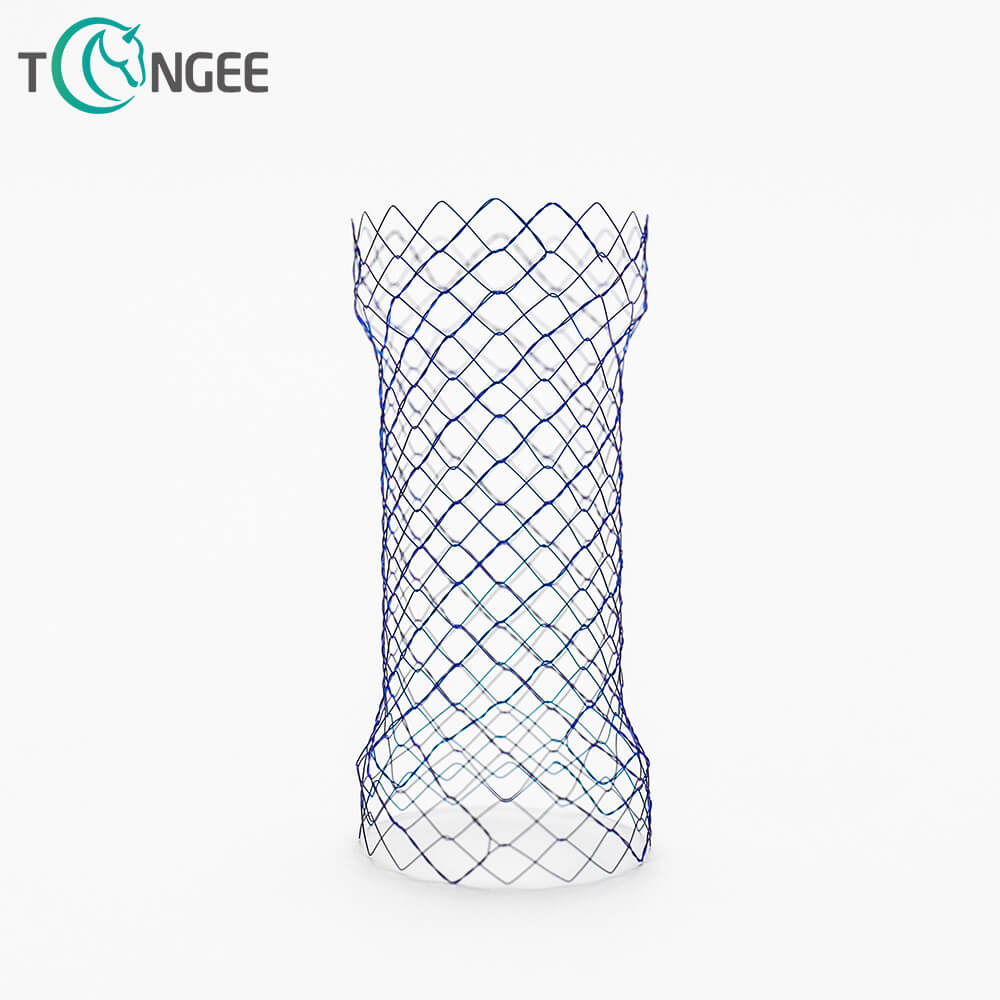
A nitinol medical stent is a small, mesh-like tube made from nitinol, a metal alloy of nickel and titanium known for its shape memory and superelasticity. These unique properties make nitinol especially useful in medical applications where flexibility, durability, and precise deployment are crucial.
Vascular Stents:
Coronary artery stents: Used to keep narrowed or blocked coronary arteries open after angioplasty.
Peripheral artery stents: Support blood vessels in the legs or other peripheral regions.
Neurovascular Stents:
Used in treating brain aneurysms or supporting blood flow in narrowed cerebral arteries.
Urological Stents:
Placed in ureters to help urine flow from the kidney to the bladder when blocked.
Gastrointestinal Stents:
Used in the esophagus, bile duct, or colon to keep passages open, often in cancer patients or those with strictures.
Airway Stents (Tracheobronchial Stents):
Help maintain open airways in patients with tracheal or bronchial obstructions.
Venous Stents:
Treat deep vein thrombosis (DVT) or chronic venous insufficiency by propping open narrowed or blocked veins.
Shape Memory: Can be compressed for insertion and expands at body temperature to its original shape.
Superelasticity: Can bend and flex with body movements without permanent deformation.
Biocompatibility: Safe for long-term implantation.
Let me know if you'd like to see examples or images of these stents in action.

