
Views: 3 Author: Site Editor Publish Time: 2025-01-08 Origin: Site
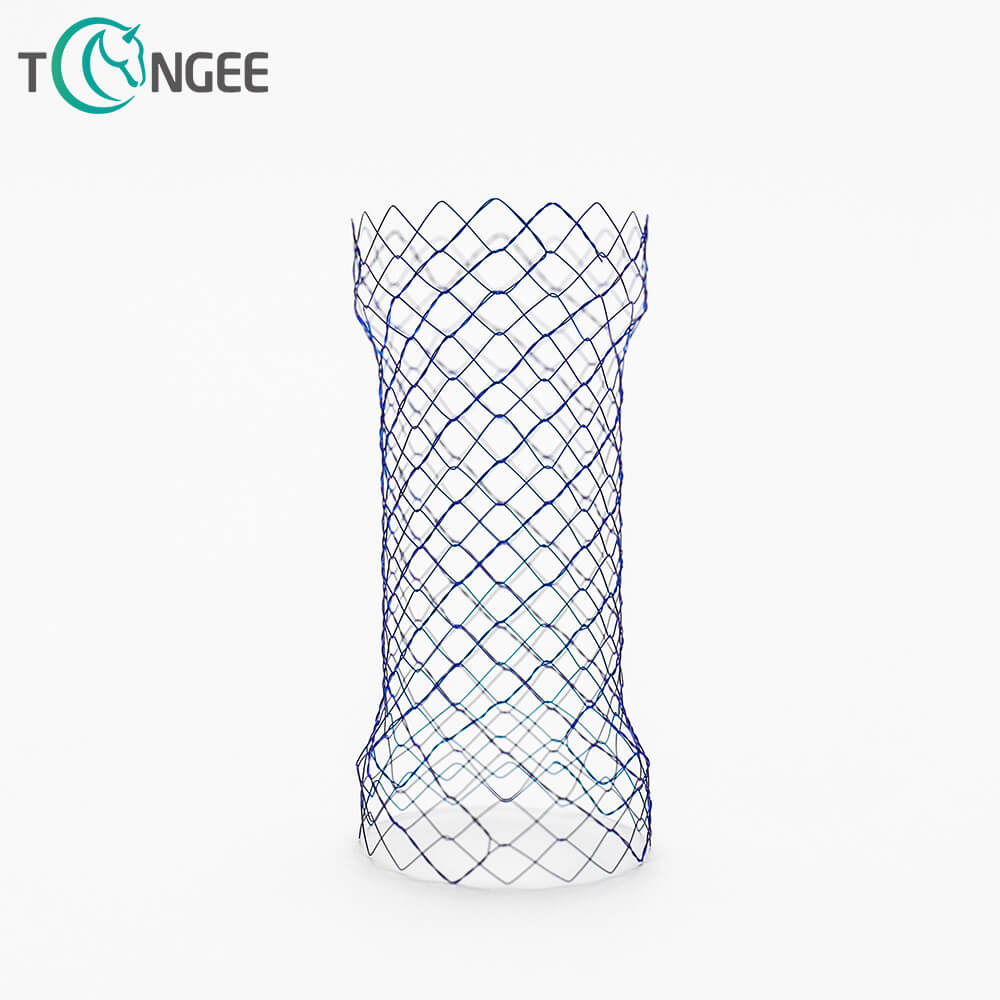
Advancements in surgical stent technology have significantly improved the treatment of various medical conditions, particularly in fields such as cardiology, gastroenterology, and respiratory medicine. Some of the key advancements include:
Biodegradable Polymers: Traditional metallic stents may remain in the body indefinitely, posing long-term risks. Biodegradable stents are made from materials that safely dissolve over time, reducing the need for long-term foreign-body presence and decreasing the risk of complications like restenosis (narrowing of blood vessels) or thrombosis.
Biocompatibility: New stent materials are designed to minimize immune responses and adverse tissue reactions. Materials like biocompatible polymers or coatings help the stent integrate more naturally with the body, reducing inflammation and promoting healing.
Advanced Drug Delivery: These stents are coated with medications (such as anti-proliferative drugs) that are gradually released to prevent the formation of scar tissue inside the vessel. Newer drug-eluting stents feature more controlled and precise drug release mechanisms, improving their efficacy while reducing side effects.
Customization of Drugs: Ongoing research is focusing on customizing drug coatings and formulations, potentially providing tailored treatments for specific patient needs and conditions, especially for high-risk patients.
Shape Memory Alloys: Stents made from materials like nitinol (a nickel-titanium alloy) are capable of expanding when they reach body temperature, providing better deployment and easier insertion. These stents are particularly useful in challenging anatomical conditions, such as in blood vessels that are difficult to reach.
Controlled Expansion: Newer self-expanding stents offer more precise control over the expansion process, improving patient outcomes and reducing complications like over-expansion or under-expansion.
These are an innovative type of stent designed to dissolve completely after serving its purpose. They provide temporary support to a blood vessel during the healing process and then vanish, leaving no permanent foreign material in the body. This technology is particularly beneficial in the treatment of coronary artery disease.
Stents for Gastroenterology: Advancements in endoscopic techniques have allowed for the development of stents used in the gastrointestinal (GI) tract, such as those for treating esophageal strictures, bile duct obstructions, or colonic issues. These stents are often deployed through minimally invasive techniques, reducing patient recovery times and complications.
More Flexible Designs: Gastrointestinal stents are becoming more flexible, reducing the risk of migration (stent displacement) and improving patient comfort.
Tracheal and Bronchial Stents: Advances in stents for respiratory applications, such as for treating tracheal or bronchial stenosis, include the development of stents with greater flexibility and compatibility with the airway anatomy. These stents can better conform to the shape of the trachea and minimize discomfort.
Expandable and Retrievable Stents: Some newer pulmonary stents are designed to be both expandable and retrievable, giving clinicians the ability to adjust the stent after deployment or remove it if necessary.
Targeted Drug Release: In cancer treatment, stents coated with chemotherapy drugs or radiation materials are being developed to help treat tumors obstructing airways, bile ducts, or other passages. These stents can deliver a local high-dose treatment directly to the tumor site, which is more effective and has fewer systemic side effects.
Customization: 3D printing allows for highly customizable stents that are tailored to an individual patient’s anatomy. These stents can be designed to perfectly fit the patient’s specific vessel or duct, reducing the likelihood of complications like stent migration, and improving overall treatment outcomes.
Improved Drug Coatings: Nanotechnology has enabled more efficient drug coatings on stents, allowing for precise control over the release of medication and the development of multi-functional stents with anti-inflammatory, antibacterial, or even cancer-targeting capabilities.
Nanomaterial Stents: Some stents are now incorporating nanomaterials for greater strength, durability, and biocompatibility. These materials can enhance the mechanical properties of the stent while minimizing the risk of adverse reactions.
Prevention of Infection: Stents are being developed with antimicrobial coatings, particularly for use in the urinary tract, to reduce the risk of infection, which is a common complication associated with long-term stent placement.
AI-Assisted Planning: Advanced imaging and AI technologies are being integrated into the design and deployment of stents. AI systems can help clinicians plan the stent placement with greater precision, optimize stent design, and predict potential complications, improving patient outcomes.
Real-Time Monitoring: AI can also aid in real-time monitoring of stent function, alerting doctors to early signs of complications such as restenosis or stent migration.
Antithrombogenic and Antirestenotic Coatings: Coatings that prevent blood clotting and inhibit the growth of scar tissue inside blood vessels have been significantly improved. New stent coatings are being developed that are more durable, safer, and longer-lasting, offering better protection against restenosis and thrombosis.
The future of stent technology is promising, with innovations focusing on patient-specific designs, more effective drug delivery, and enhanced biocompatibility. These advancements aim to improve clinical outcomes, minimize complications, and promote faster recovery for patients undergoing stent-based interventions across various medical fields.

