
Views: 5 Author: Site Editor Publish Time: 2024-02-17 Origin: Site
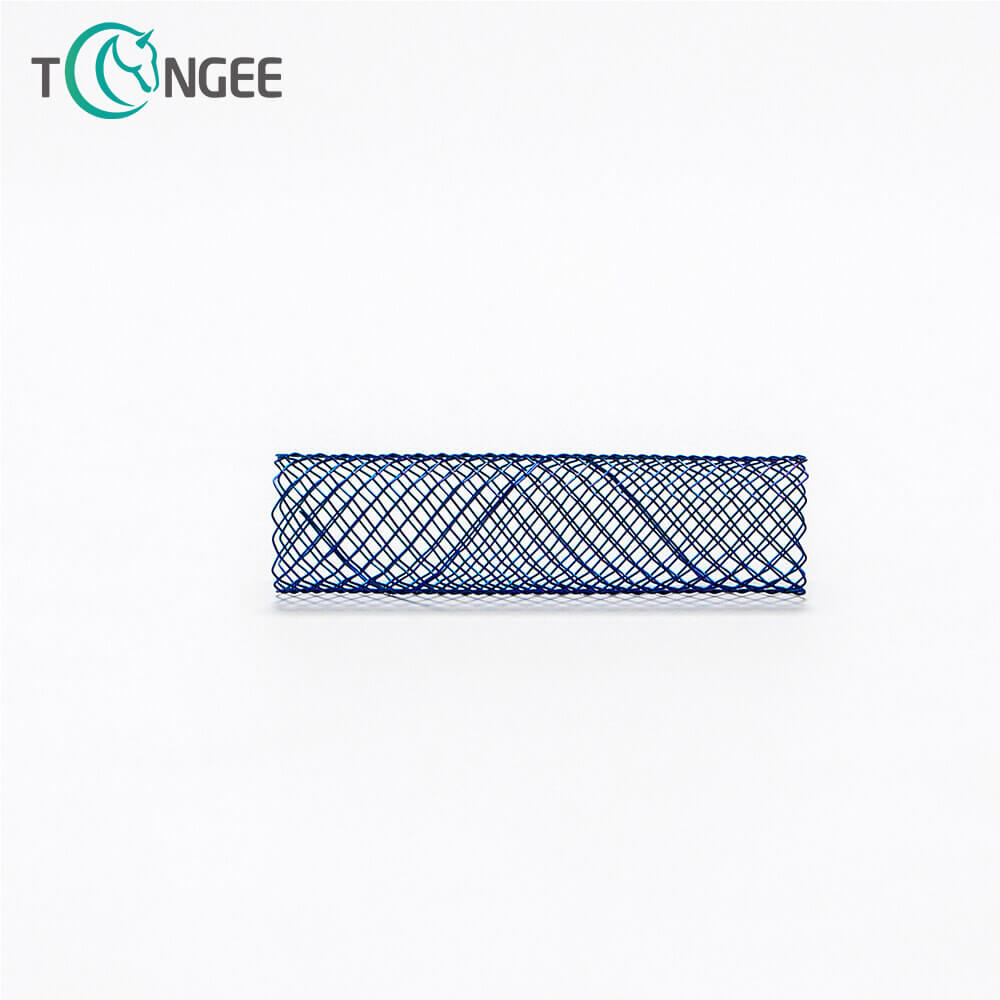
While biliary stents can effectively relieve symptoms and improve quality of life for individuals with biliary obstruction, they also have several disadvantages:
Stent migration: Biliary stents can migrate from their original placement, leading to ineffective drainage or complications such as blockage of other ducts.
Stent occlusion: Stents can become blocked or occluded by bile sludge, tissue ingrowth, or tumor growth, necessitating additional procedures for stent exchange or removal.
Infection: Stents can serve as a nidus for bacterial growth, increasing the risk of infection, particularly if they become blocked.
Stent-related pain: Some individuals may experience discomfort or pain related to the presence of the stent, especially if it irritates nearby tissues or moves out of position.
Stent-related complications: Stents can cause complications such as perforation of the bile duct, bile leakage, or injury to surrounding structures during placement or removal procedures.
Stent lifespan: Biliary stents have a finite lifespan and may need to be replaced periodically, requiring repeated interventions and potential associated risks.
Cost: The placement and maintenance of biliary stents can incur significant healthcare costs, including the procedures themselves and any associated hospital stays or follow-up care.
Decreased effectiveness over time: In some cases, biliary stents may become less effective over time due to factors such as stent occlusion or tumor progression, necessitating alternative treatment approaches.
Despite these disadvantages, biliary stents remain an important treatment option for managing biliary obstruction and improving the quality of life for individuals with related conditions. The decision to use a biliary stent should be made in collaboration with a healthcare provider, weighing the potential benefits against the associated risks and drawbacks.

