
Views: 0 Author: Site Editor Publish Time: 2025-03-10 Origin: Site
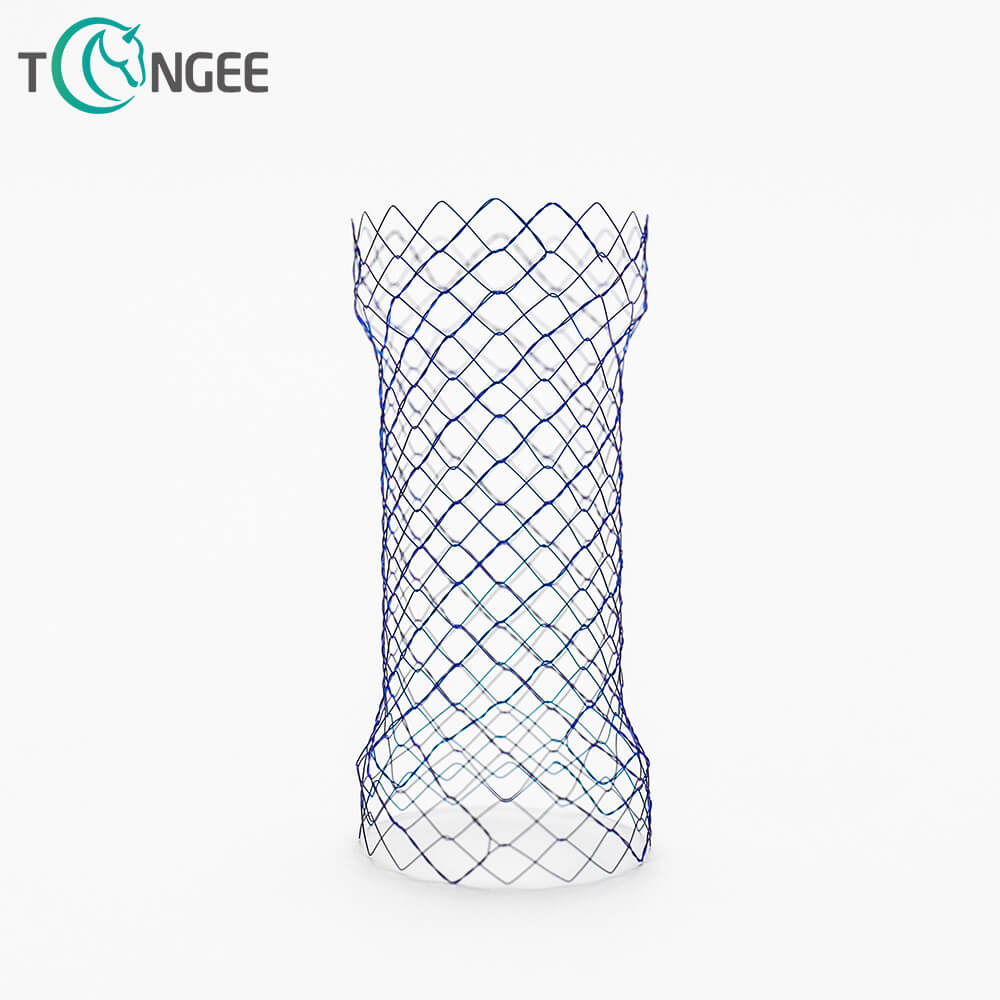
Potential hazards after implantation of airway stents include:
Stent Migration – The stent may shift from its original position, leading to airway obstruction or discomfort.
Granulation Tissue Formation – Excess tissue growth around the stent can cause airway narrowing and breathing difficulties.
Mucus Plugging – Accumulation of mucus within the stent may obstruct airflow.
Infection – Bacterial colonization or respiratory infections can occur around the stent.
Stent Fracture or Degradation – Over time, the stent material may break down, potentially leading to airway obstruction.
Airway Perforation or Erosion – The stent may damage the surrounding airway walls, leading to complications like bleeding or perforation.
Tracheoesophageal Fistula (TEF) – In rare cases, prolonged stent placement may create an abnormal connection between the airway and esophagus.
Persistent Coughing or Irritation – The presence of the stent may cause chronic cough or throat discomfort.
Difficult Stent Removal – Some stents become embedded in the airway tissue, making removal challenging.
Regular follow-up and airway monitoring are essential to manage these risks effectively.

