
Views: 0 Author: Site Editor Publish Time: 2025-01-20 Origin: Site
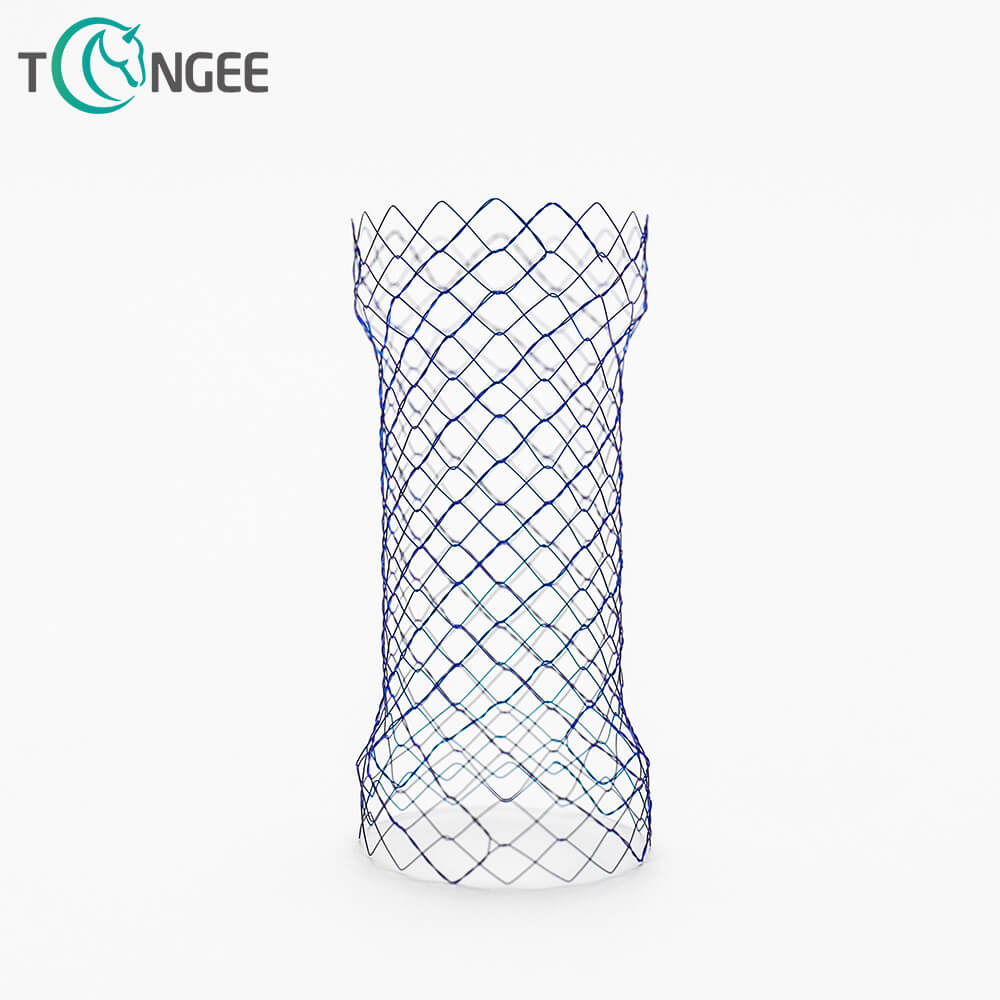
Disposable tracheal and bronchial stents differ from permanent stents in several key aspects, such as material, purpose, lifespan, and clinical use:
Disposable Stents: Made from materials that are designed to be temporary, such as certain polymers or bioresorbable materials. These stents degrade over time or are intended to be removed after a period.
Permanent Stents: Typically made from materials that are durable and designed to last indefinitely, such as stainless steel, titanium, or advanced alloys.
Disposable Stents: Primarily used for short-term treatment, often in acute or transitional situations, such as post-surgical recovery, injury healing, or in cases where a temporary airway support is needed.
Permanent Stents: Intended for long-term management of chronic conditions, such as tumors, strictures, or long-term airway collapse that may not be reversible.
Disposable Stents: Designed for temporary use, ranging from a few weeks to several months. They are typically removed once the patient’s condition improves or after a planned treatment phase.
Permanent Stents: Designed to remain in place for the long term, potentially for the life of the patient, unless complications arise requiring removal.
Disposable Stents: Intended to be removed after a short period. Some can dissolve on their own or be easily removed via endoscopy or another procedure.
Permanent Stents: Usually not intended to be removed unless there are complications. They may be replaced if they become obstructed or if other issues arise.
Disposable Stents: Used in conditions that are temporary or expected to resolve, such as post-surgical recovery or for patients who require temporary airway support.
Permanent Stents: Used for more chronic conditions, such as long-term obstruction due to malignancy, chronic airway narrowing, or long-standing conditions that necessitate continuous airway support.
Disposable Stents: The risk of complications (e.g., migration or infection) is often lower, as they are used for shorter periods. However, issues can still arise if they are not removed in a timely manner.
Permanent Stents: Carry a higher risk of complications over time, including tissue ingrowth, infection, stent migration, and airway injury, as they are meant to stay in place indefinitely.
Disposable Stents: Generally less expensive due to their shorter duration of use, though multiple stents may be needed for long-term conditions.
Permanent Stents: Higher initial cost but are more cost-effective in the long term due to their durability and extended use.
Disposable Stents: Preferable for patients with temporary airway obstruction or those needing temporary relief without long-term commitment to a device.
Permanent Stents: Suitable for patients with chronic or intractable airway conditions who require long-term stent support.
In summary, disposable stents are used for short-term relief in acute or transitional conditions, while permanent stents are meant for long-term management of chronic airway problems. Each type has its advantages depending on the patient’s condition and treatment goals.

