
Views: 4 Author: Site Editor Publish Time: 2024-11-26 Origin: Site
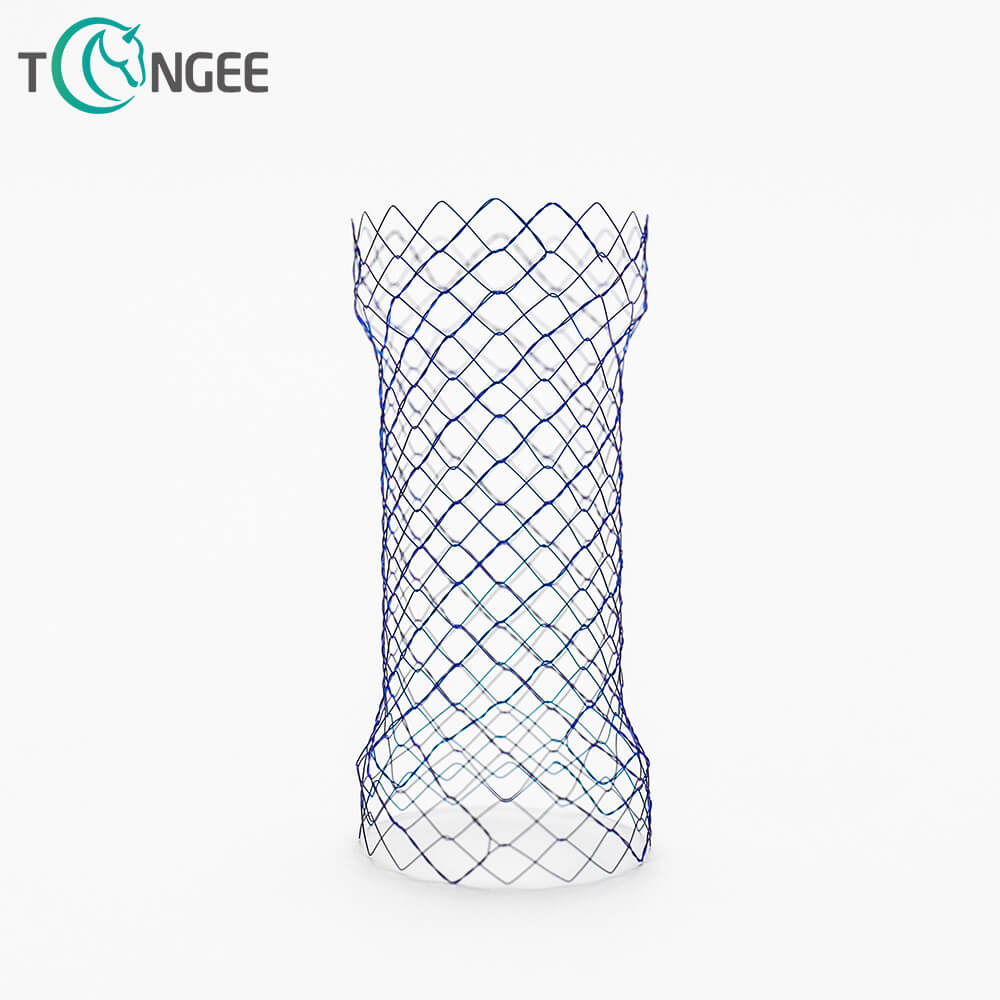
The presence of a stent can influence the effectiveness of an Endoscopic Retrograde Cholangiopancreatography (ERCP), a procedure used to diagnose and treat conditions of the bile ducts, pancreatic duct, and gallbladder. Here are the key points regarding this impact:
Biliary Stents: If a stent is already in place (e.g., in the bile duct), it may guide the endoscopist during ERCP, improving access to the ducts.
Pancreatic Stents: For conditions like pancreatic strictures or ductal leaks, the presence of a stent can simplify the procedure, as it delineates the duct anatomy.
Stents used before ERCP often address obstructions (e.g., due to stones or tumors) and improve bile or pancreatic juice drainage. This can lead to reduced inflammation or infection, potentially improving procedural outcomes.
A stent may partially obscure ductal anatomy or hinder visualization of the surrounding tissue during ERCP. This can make identifying small lesions, stones, or strictures more challenging.
Stents can sometimes block access to bile or pancreatic stones or make their removal more complex due to spatial constraints or tissue reactions around the stent.
Older or occluded stents can harbor biofilms and bacteria, increasing the risk of infection (e.g., cholangitis or pancreatitis) during the procedure.
If a stent is placed during a prior ERCP, it often serves as a temporary solution and may necessitate follow-up ERCP for replacement, removal, or additional interventions.
If the stent migrates from its intended position, it may complicate the ERCP by requiring additional maneuvers to retrieve the stent or to manage complications caused by migration.
In summary, the impact of a stent on ERCP depends on factors like its location, condition, and purpose. While it can improve procedural success in some scenarios, it may also present challenges that require careful planning and expertise.

