
Views: 3 Author: Site Editor Publish Time: 2024-08-06 Origin: Site
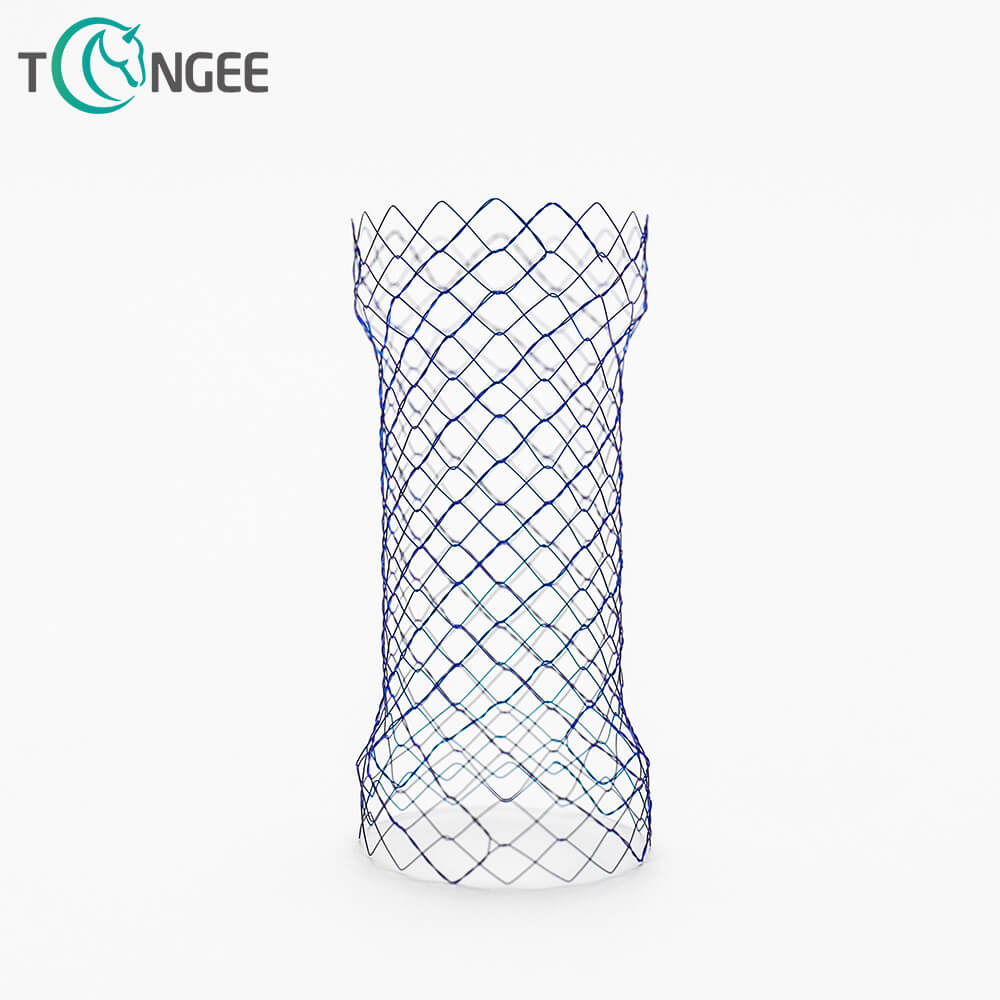
Biliary stent placement involves several techniques, which can vary based on the specific clinical situation and the type of stent being used. Here are the primary techniques:
1. **Endoscopic Retrograde Cholangiopancreatography (ERCP)**: This is the most common method used for placing biliary stents. The procedure involves:
- Inserting an endoscope through the mouth, esophagus, and stomach into the duodenum.
- Cannulating the bile duct using a catheter.
- Injecting contrast dye to visualize the bile ducts via fluoroscopy.
- Deploying the stent through the catheter into the bile duct to relieve obstruction.
2. **Percutaneous Transhepatic Cholangiography (PTC)**: This technique is used when ERCP is not possible or has failed. It involves:
- Inserting a needle through the skin into the liver to access the bile ducts.
- Injecting contrast dye to visualize the bile ducts on imaging.
- Placing a stent through a catheter introduced via the needle to relieve obstruction.
3. **Endoscopic Ultrasound (EUS)-guided Biliary Drainage**: Used for cases where ERCP and PTC are not feasible, this technique involves:
- Performing an endoscopic ultrasound to visualize the bile ducts and surrounding structures.
- Placing a needle through the endoscope into the bile duct.
- Deploying a stent to bypass an obstruction and drain bile into the duodenum or an external collection system.
4. **Surgical Biliary Stenting**: In some cases, surgical intervention is required. The process involves:
- Performing an abdominal surgery to access the bile ducts directly.
- Inserting the stent into the bile duct through an incision.
Each technique has its indications, advantages, and potential complications, and the choice of technique often depends on the patient's condition and the expertise of the medical team.

